
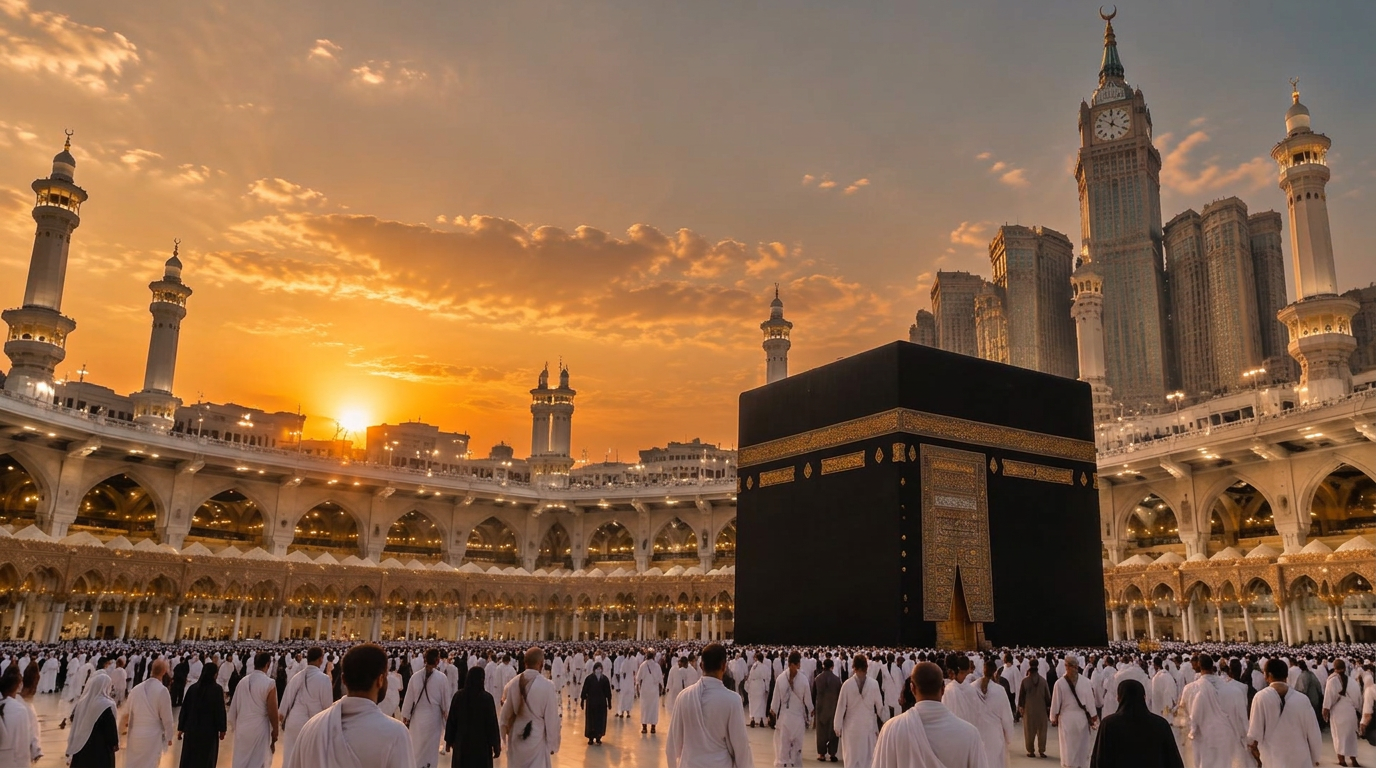
For a Muslim, intending to perform Hajj for the first time is deeply meaningful and exciting. Seeing the Kaaba, praying at the Sacred Mosque, making du’a at Arafat and joining pilgrims from around the world can be profoundly moving.
Naturally, first-time pilgrims ask many questions: What will the first days be like? How do I perform the rites? How will I manage the crowds and the heat? Which common mistakes should I avoid? And how can I preserve the spiritual benefits of the journey?
You need not know everything beforehand. Learn the basics, prepare spiritually and physically, and approach the journey with realistic expectations.
01. Preparing Your Heart for Hajj
Hajj begins with your intention, long before you depart. Take time to renew your sincerity, so that this journey is undertaken for the pleasure of Allah alone.
- Sincere repentance: turn to Allah with genuine remorse and a resolve to do better.
- The rights of others: settle what you owe to others and seek reconciliation where possible.
- Learning the essentials: study the basics of Ihram, Tawaf, Sa’i, Arafat and the other essential rites before you travel.
A question to reflect onWhat kind of person do I want to be when I return from this journey?
02. Understanding the Hajj Rituals
Each rite of Hajj carries its own meaning. Understanding that meaning can bring greater depth and presence to your worship.
- Ihram: a reminder of simplicity, equality and humility before Allah.
- Tawaf: turning towards Allah, around the Kaaba that is the shared qiblah of Muslims everywhere.
- Sa’i: recalling Hajar’s effort and her trust in Allah.
- Standing at Arafat: a central pillar of Hajj and a precious time for supplication, seeking forgiveness and self-reflection.
Seek to understand the meanings, and also learn the correct practice from qualified religious guidance. Procedures can vary according to the type of Hajj you perform and your individual circumstances.
03. Your First Days in Makkah
- Settle in and rest: give yourself time to settle into your accommodation and recover from travelling.
- Umrah, Tawaf and Sa’i: their timing depends on your type of Hajj and your itinerary. Follow your approved programme and official instructions.
- Find your way: save your hotel’s name and address, your transport stops and an offline route on your phone.
- The crowds at Masjid al-Haram: allow yourself time to adapt, follow the instructions of staff and do not push.
- Pace yourself: keep your energy for the days of Arafat, Muzdalifah and Mina ahead.
Taking things calmly in your first days can help you focus more fully on worship.
04. Common Mistakes to Avoid
Many first-time pilgrims face similar challenges. Being aware of them in advance can help you avoid unnecessary difficulty.
- Not knowing enough about the rules of Ihram: learn beforehand what is and is not permitted, including which products are appropriate to use, and ask qualified guidance when unsure.
- Exhausting yourself early: trying to do everything in the first days can leave you tired before the most important days of Hajj. Rest is part of good preparation.
- Losing patience in crowds: delays and crowding are part of the journey. Gentleness, patience and kind words protect both your worship and those around you.
- Using your phone or camera too much during worship: a few memories are understandable, but try to keep moments of worship for presence and reflection rather than photographs.
- Comparing yourself with others: everyone’s stamina, health and schedule are different. Move at a pace that is right and safe for you.
05. Practical Tips for First-Time Pilgrims
- Hydration: drink regularly, in a way that suits any medical advice you have been given.
- Footwear: wear comfortable footwear you have tested beforehand, and make sure it follows the rules of Ihram.
- A light daily bag: carry water, essential medicines, your phone, your hotel details and other permitted essentials.
- Staying together: agree a meeting point and a way of contacting your group or companions in advance.
- Official instructions: follow official guidance on crowds, transport and access to sites.
- Ask for help: if you feel unwell, become lost or are unsure about something, do not hesitate to ask for help.
Your aim each day is not to do as much as possible, but to perform your worship thoughtfully, safely and patiently.
06. After Completing Your Hajj
The end of Hajj is also a new beginning. Try to maintain the prayer, du’a, patience, generosity and kindness you nurtured during the journey, and bring that respect and patience into your family and community life.
A Hajj Mabrur is an aspiration towards an accepted, righteous pilgrimage. Positive conduct after returning home is meaningful, yet no person can declare anyone’s Hajj accepted by Allah; that knowledge belongs to Him alone.
A question to reflect onWhat positive changes can I see in myself since before Hajj?
You Do Not Have to Do Everything Perfectly on Your First Hajj
It is natural to learn, to adapt and to need help along the way. Learn the religious requirements, seek qualified guidance and hold on to patience throughout.
Your first Hajj is not simply a journey to the sacred lands; it is a spiritual opportunity that may give your life a new direction.
At HAJJ PACKAGES, we aim to help first-time pilgrims prepare for this sacred journey with greater understanding and confidence.