
Every Step Has Meaning, Every Act of Worship Has Wisdom
Hajj is not merely travel from one country to another. It is a profound spiritual journey of looking inward, reflecting on life and seeking closeness to Allah. Pilgrims visit sacred places connected to the memories of Prophet Ibrahim (peace be upon him), Prophet Ismail (peace be upon him), Hajar and Prophet Muhammad (peace and blessings be upon him). From Ihram to Tawaf, Arafat to Mina, each stage is both an act of worship and an opportunity for reflection.
Understanding Hajj means knowing not only where we are going, but why we are going.
1. Ihram and Miqat: Leaving Worldly Concerns Behind
Entering Ihram is an important beginning.
Miqat: The Threshold of a Sacred Journey
Miqat marks the boundary at which a person intending Hajj or Umrah must enter Ihram under the relevant conditions. It reminds pilgrims they are beginning a journey of worship unlike an ordinary trip. Before crossing it, prepare not only clothing but intentions and hearts.
Ihram: Equality and Humility
The simple cloths worn by men in Ihram remind us that worldly rank, wealth and social differences are temporary. Muslims from different countries, languages and circumstances turn towards Allah with a shared sense of servitude. Ihram invites humility, patience and greater care in conduct. Its simplicity can remind us of mortality and the Hereafter.
Talbiyah: Answering the Divine Call
“Labbayk Allahumma labbayk…”
The Talbiyah is a powerful declaration of answering Allah’s call. It reminds pilgrims that their journey begins in the heart as well as with the body.
2. Makkah, the Kaaba, Tawaf and Sa’i: Turning Towards the Centre of Worship
Arriving in Makkah is unforgettable for many. Seeing the Kaaba for the first time may be a deeply moving moment after years of prayer and longing.
The Kaaba: A Symbol of Unity and Tawhid
The Kaaba is the Qiblah towards which Muslims face in prayer and is described in the Qur’an as the first House established for worship. Muslims turning towards one Qiblah reminds us of unity of faith. Gathering around the Kaaba invites reflection on placing worship of Allah and seeking His pleasure at the centre of life.
Tawaf: Reconsidering What Is at the Centre of Life
Tawaf consists of seven circuits around the Kaaba. For many pilgrims it is an opportunity to reflect on what occupies the centre of their lives. Work, possessions, responsibilities and expectations may dominate everyday life; Tawaf reminds us of our deeper orientation towards Allah.
The Black Stone and Maqam Ibrahim
The Black Stone (Hajar al-Aswad) and Maqam Ibrahim are significant reminders associated with the Kaaba’s history and Prophet Ibrahim’s legacy. They recall faithfulness, devotion and the submission of earlier prophets.
Sa’i: Hajar’s Effort and Trust in Allah
Sa’i between Safa and Marwah recalls Hajar’s efforts to find water for her son Ismail. Her story reminds us that trust in Allah does not mean waiting without taking action. Her effort encourages us to do what we can and then place our trust in Allah.
Sa’i is a powerful reminder that prayer and effort belong together.
3. Arafat and Muzdalifah: Supplication, Reflection and Spiritual Awakening
Arafat is one of Hajj’s most important stages.
Arafat: The Heart of Hajj
The Prophet’s saying “Hajj is Arafat” conveys the central importance of standing at Arafat. Muslims gather from across the world with a shared purpose. This gathering can evoke the Day of Judgement, standing before Allah and personal accountability.
Wuquf: Pausing to Reflect
Wuquf is the essential rite of being within the boundaries of Arafat during the prescribed time. It is a precious opportunity for prayer, seeking forgiveness and reflecting on life. Pilgrims may ask:
- What do I need to change in my life?
- Whose rights have I neglected?
- Which habits should I leave behind?
- What kind of person do I want to be after Hajj?
Arafat is not only about asking forgiveness for the past, but also forming new intentions for the future.
Muzdalifah: Simplicity and Surrender
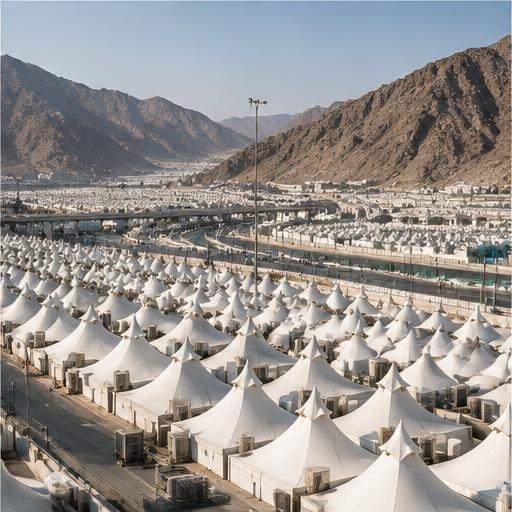
After Arafat, Muzdalifah is another important stop. Time spent there recalls simplicity, patience and turning towards Allah. It is also associated with preparations for the Jamarat rites. Away from everyday comforts, pilgrims may reflect afresh on their relationship with Allah.
4. Mina and the Days of Eid: Striving Against the Self and Surrender
The rites in Mina are an important part of Hajj.
Jamarat: Resolve Against Wrongdoing
The stoning of the Jamarat is associated with memories of Prophet Ibrahim’s submission and the struggle against evil. Reflecting on its spiritual meaning, pilgrims may consider their own pride, selfishness, anger, harmful habits and wrongdoing.
The aim is not only to perform an act of worship, but to carry its lesson of resolve into everyday life.
Sacrifice: Drawing Near and Giving Up for Allah
Sacrifice recalls seeking closeness to Allah, submission and selflessness. Prophet Ibrahim’s story invites reflection on devotion to Allah and putting His pleasure first. It is an opportunity to examine our intentions, attachments and willingness to make sacrifices.
Cutting the Hair and Leaving Ihram
At the relevant stages of Hajj, shaving or shortening the hair forms part of leaving Ihram. It can remind pilgrims of spiritual renewal and the desire for a fresh start. Lasting change comes from continuing good conduct after the journey.
5. Madinah and Al-Masjid an-Nabawi: Love, Loyalty and Respect
Visiting Madinah is not an obligatory pillar of Hajj, but for many pilgrims it is deeply meaningful. Madinah is the blessed city of the Prophet’s migration, the growth of the early Muslim community and many important memories.
Al-Masjid an-Nabawi
Visiting the Prophet’s Mosque recalls his life, struggles and example. Alongside love and respect, it is an opportunity to consider how closely we follow his noble character.
Al-Rawdah al-Sharifah
Al-Rawdah al-Sharifah is an area of special spiritual significance within the Prophet’s Mosque. Visitors should observe current visiting and booking arrangements, respect other visitors and preserve the tranquillity of the place.
As we leave Madinah, the aim is not only to carry beautiful memories home, but to resolve to embody more of the Prophet’s exemplary character.
The True Reward of the Hajj Journey
Who Will We Be After Hajj?
We hope every step, prayer and act of worship leaves a mark on the heart. Ihram recalls humility; Tawaf turning towards Allah; Sa’i effort and trust; Arafat self-examination; and Mina determination in resisting wrongdoing. Yet Hajj’s influence should not end when we leave the holy places. We should aim to return more patient, compassionate, honest and considerate towards family, neighbours, colleagues and everyone around us.
The spiritual benefit of Hajj is not only what we experience during the journey, but also what we change in our lives after returning home.
At HAJJ PACKAGES, we want pilgrims not only to learn the stages of the journey, but also to reflect on the meaning of every act of worship as they prepare for this sacred journey.