
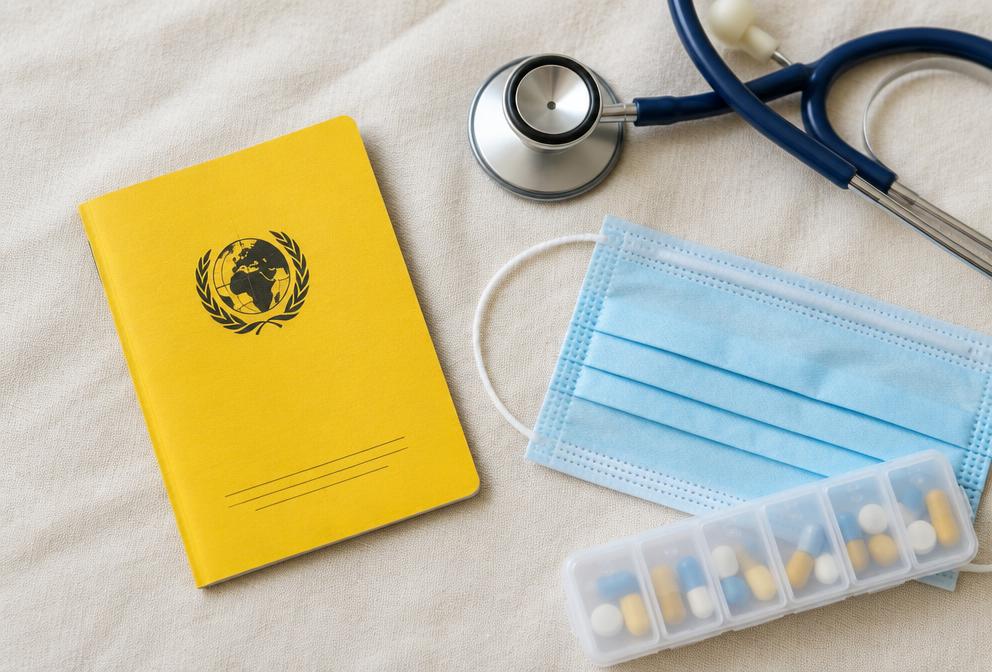
Prepare for Hajj with Your Health in Mind
Hajj is one of life’s most meaningful spiritual journeys. Alongside spiritual and physical preparation, taking sensible steps to protect your health is essential. Crowded environments, prolonged walking, heat and altered routines can be challenging, particularly for people with existing medical conditions. Pilgrims travelling from the United Kingdom should review their health, check vaccination requirements and plan any medication well before departure.
Looking after your health is an important way to help you undertake Hajj with greater peace of mind and safety.
1. Vaccinations for Hajj
Saudi Arabia sets certain vaccination and public health requirements for Hajj, which can vary by country of departure, personal circumstances and season.
Meningococcal ACWY Vaccination
The official Nusuk health guidance lists quadrivalent meningococcal ACWY vaccination among Hajj requirements. The guidance refers to receiving the vaccine at least 10 days before arrival in the Hajj areas and carrying valid evidence of vaccination; certificate validity may depend on vaccine type. Always check the latest official requirements and accepted documentation for Hajj 2027 before travelling.
Other Vaccinations
- Polio: Specific requirements may apply to arrivals from certain countries.
- Yellow fever: Evidence of vaccination may be required for travellers arriving from designated risk areas.
- COVID-19: Check any requirements applicable to the relevant Hajj season.
- Seasonal influenza: The Nusuk guidance recommends vaccination, particularly for older pilgrims, pregnant women and people with chronic conditions.
UK pilgrims should consult a travel health professional to establish which vaccinations are relevant to them. This page is general guidance; the current official Nusuk and Saudi health announcements determine the applicable requirements.
2. Health Checks Before You Travel
Review your health before departure. In particular, pilgrims who take regular medication, have long-term conditions, are older or have limited mobility should discuss the trip with a clinician.
Speak to Your GP or Travel Health Clinic
Pilgrims in the UK can seek advice from their GP or a travel health clinic as appropriate. Discuss:
- Whether your health is suited to the journey and its physical demands.
- Existing conditions such as high blood pressure, diabetes, heart or respiratory illness.
- Regular medicines.
- Vaccinations and medical documents.
- Individual precautions for walking, crowds and hot weather.
Reviewing health concerns before departure may help reduce certain risks during Hajj.
3. Medication and Medical Documents
Pilgrims using regular medication should plan carefully. Nusuk advises taking sufficient prescribed medicine in its original packaging.
Plan Your Medication in Advance
- Arrange enough medicine for the journey.
- Keep medicines in original labelled packaging where possible.
- Carry a copy of your prescription or medication list.
- Know the generic names of your medicines.
- Ask your clinician about adjusting medication schedules across time zones.
- Plan ahead for medicines requiring special storage.
Some medicines may be subject to Saudi import rules or special documentation; check current rules before travel.
Keep Your Medical Information Accessible
People with long-term conditions may benefit from carrying a doctor’s letter or medical summary stating their condition and medication. This may assist medical staff if care is needed.
4. Staying Healthy During Hajj
Good preparation should be followed by sensible daily precautions.
Heat and Dehydration
Hot weather and physical exertion can cause fluid loss. Possible signs include dry mouth and thirst, fatigue, dizziness, muscle cramps and reduced urination. Fluid needs vary; anyone with medical fluid restrictions should follow their clinician’s advice. Rest in shade where possible and avoid excessive exertion. Confusion, fainting or suspected heatstroke requires urgent medical help.
Personal Hygiene and Preventing Infections
Crowded settings can increase the spread of infection. Nusuk recommends:
- Wash hands regularly with soap and water.
- Clean hands before eating and after using the toilet.
- Cover coughs and sneezes with a tissue or your elbow.
- Avoid sharing personal items.
- Keep clothing and living spaces clean.
- Pay attention to food hygiene and safe preparation.
Foot, Muscle and Skin Health
Walking and heat may cause foot pain, muscle strain and skin irritation. Use comfortable footwear, keep skin clean and dry, rest when necessary and do not ignore minor injuries.
For guidance on walking, footwear and building stamina, see our Physical Preparation section.
5. Older Pilgrims and Those with Long-Term Conditions
Hajj is precious at every age, but needs and abilities differ. Nusuk recommends health advice before travel, especially for older pilgrims and those with long-term conditions.
Plan for Your Individual Needs
- Prepare medication and medical documents.
- Arrange a wheelchair or other mobility aid if needed.
- Bring appropriate spares for hearing aids, respiratory equipment or other essential devices.
- Avoid overexertion during prolonged walks.
- Ask for assistance when necessary.
Resting or using appropriate mobility support can help protect your health during the journey.
6. When to Seek Medical Help
Seek medical assessment promptly for:
- Chest pain.
- Severe breathlessness.
- Fainting or confusion.
- Suspected heatstroke.
- Severe or persistent signs of dehydration.
- Serious blood sugar problems.
- Significant pain, swelling or difficulty moving after a fall.
Seek help from the nearest medical facility or authorised emergency services.
Emergency Contact Information
The Nusuk health guidance lists 937 as a health advice line. Emergency numbers and access arrangements can change, so verify current official contact details before travel.
A Final Reminder
Looking After Your Health Is Part of Preparing for Hajj
Not everything will go exactly to plan during Hajj. Heat, fatigue, crowds and changing routines can be demanding. Checking vaccinations, assessing your health, preparing medicines and understanding potential risks all matter.
Remember, protecting your health can help you carry out your worship with greater peace of mind.
At HAJJ PACKAGES, we want pilgrims to approach this sacred journey informed and prepared in health, as well as in body and spirit.