
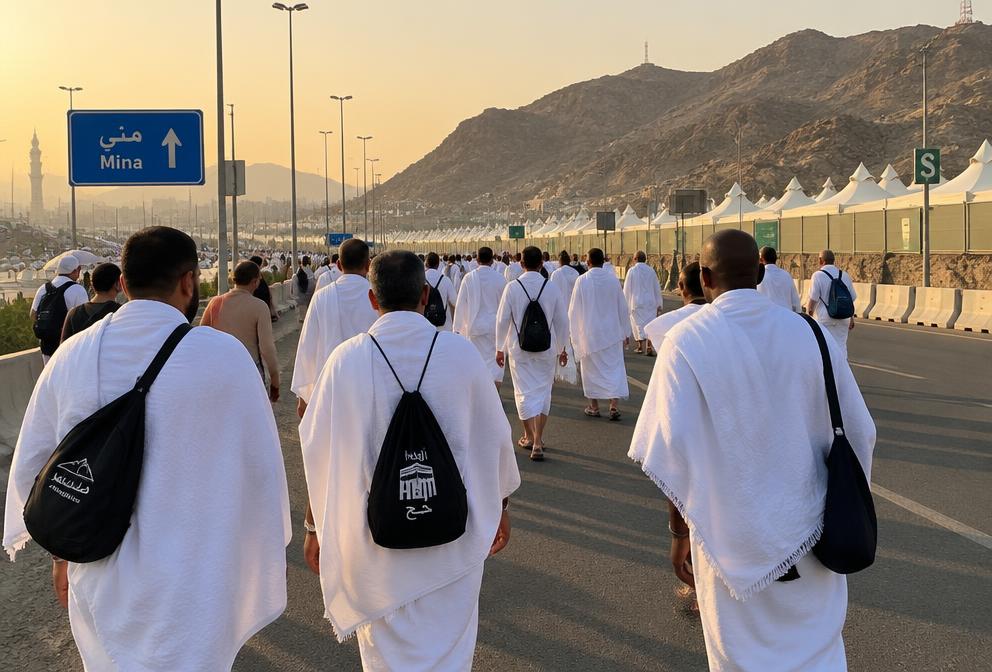
Prepare Your Body for the Hajj Journey
Hajj is a sacred act of worship that requires physical endurance as well as spiritual preparation. Tawaf, Sa’i and the rites in Mina, Arafat and Muzdalifah can involve long walks, crowded areas, hot weather and changes to normal rest routines. Physical preparation is especially important for pilgrims travelling from the generally cooler climate of the United Kingdom to Saudi Arabia.
Preparing your body for Hajj can help you manage your energy and focus more comfortably on your worship.
1. Walking and Fitness Training
Hajj can involve walking long distances. Tawaf, Sa’i, travel between sacred sites and getting from accommodation to worship areas may require considerable effort. Daily walking distances vary according to accommodation, transport arrangements, crowds and personal health; some days may involve particularly long walks. Building a walking habit in advance can help.
A Gradual Walking Programme
Where possible, begin a programme suited to your current fitness approximately 8–12 weeks before travel.
- Start with walks of around 20–30 minutes, 3–4 days a week, if suitable for you.
- Gradually increase the duration and pace as your fitness improves.
- Those whose health permits may work towards longer walks over time.
- Allow rest days and avoid overexertion.
The aim is not to cover long distances immediately, but to build a regular, sustainable habit.
Walking on Different Surfaces
Where suitable for your abilities, practise walking on gentle slopes as well as flat ground. Stairs and gentle inclines may help prepare your legs for varied walking conditions.
Walking with a Light Bag
You may carry a small bag of personal essentials during Hajj. Once you are comfortable with walking, short practice walks with a light bag may help. Avoid unnecessary weight or strain on your back.
2. Foot Care and Choosing the Right Footwear
Feet are among the most heavily used parts of the body during Hajj. Prolonged walking can cause pain, friction, blisters and fatigue. Suitable footwear and foot care are therefore important.
Try Your Footwear Before Travelling
Do not rely on brand-new shoes worn for the first time during Hajj.
- Choose comfortable, properly fitting footwear suitable for walking.
- Wear and test your shoes or sandals during practice walks before departure.
- Avoid styles that pinch, rub or cause pain.
- Consider a suitable spare pair of shoes or sandals.
Trying footwear beforehand may help reduce problems on longer walks.
Footwear Suitable for Ihram
Male pilgrims need to ensure footwear worn while in Ihram complies with relevant religious requirements. Seek reliable religious guidance and test suitable footwear before travel.
Foot Care
- Keep your feet clean and dry.
- Attend to toenail care before travelling.
- Take steps to reduce rubbing and blisters.
- Do not ignore foot pain, wounds or other problems.
Pilgrims with diabetes or circulation problems should seek personalised advice from a healthcare professional.
3. Preparing for Heat and Sun Exposure
Conditions in Saudi Arabia can differ significantly from those familiar in the UK. High temperatures, strong sunlight and crowded environments can challenge physical endurance. Awareness and sensible precautions are essential.
Stay Mindful of Hydration
Developing regular drinking habits before travel may be helpful. During Hajj, take care to drink appropriately and recognise early signs of dehydration. Fluid requirements vary, especially for people with heart or kidney conditions or medical restrictions on fluid intake; follow individual medical advice.
Protect Yourself from the Sun
- Choose shaded areas where possible.
- Take opportunities to rest.
- Prepare appropriate sun-protection products.
- Use sunglasses and, where appropriate, an umbrella.
- Follow relevant religious guidance on products and covering while in Ihram.
Avoid Unnecessary Physical Strain
You do not need to expose yourself to excessive heat in the UK in an attempt to acclimatise. Understand the risks, adjust your walking pace to the conditions and rest when needed. Seek help promptly if you develop dizziness, severe weakness, confusion or other signs of heat-related illness.
4. General Health and Personal Preparation
Physical preparation should suit your age, health and mobility. People who have not exercised regularly, have long-term health conditions or experience limited mobility may benefit from discussing plans with a healthcare professional before starting.
- Consider your current health and physical capabilities.
- Take regular medication and other health needs into account.
- Stop exercising and seek medical assessment if you experience unusual pain, breathlessness or dizziness.
- Do not compare yourself with others; work within your own abilities.
Remember, Hajj is not an endurance competition. Every pilgrim has different abilities and health needs.
For detailed information about vaccinations, travel health, medicines and managing long-term conditions, see our separate Health & Vaccinations section.
5. Strength, Flexibility and Mobility
Hajj may require standing for long periods, sitting and standing up, and moving on different surfaces, in addition to walking. Gentle strengthening and flexibility work may support walking preparation.
Strengthen Your Leg Muscles
Depending on your health and mobility, suitable exercises may include:
- Controlled sit-to-stand movements from a chair.
- Supported heel raises.
- Gentle leg-strengthening movements.
- Safe, controlled stair practice.
Flexibility and Balance
Gentle stretching for the legs, calves and back may support mobility. Balance exercises may help with safer movement in crowded areas and on varied surfaces. Exercises should not cause pain; seek help from a physiotherapist or appropriate healthcare professional when needed.
Make Time for Rest
Rest is part of physical preparation. Regular sleep, suitable nutrition and recovery time between exercise sessions can make preparation more sustainable.
A Final Reminder
Preparing for Hajj Is Like Preparing for a Marathon
Hajj can be a long and physically demanding journey. Just as you would prepare gradually for a long-distance walk or marathon, it helps to begin well before the final days leading up to travel. Regular walking, suitable footwear, stronger muscles, adequate rest and sensible precautions in hot weather may make physical demands easier to manage.
The aim is not to walk the fastest or cover the greatest distance. It is to protect our health and perform our worship as peacefully and attentively as possible.
At HAJJ PACKAGES, we believe that preparing physically for Hajj is just as important as preparing spiritually.